Processing choices are economic decisions, not just technical ones
When evaluating lithium processing routes, it is tempting to focus on chemistry, recovery and theoretical efficiency. In practice, however, processing decisions are ultimately economic decisions, shaped as much by geography, infrastructure and supply chains as by thermodynamics or laboratory results.
Geography matters – and it directly affects costs
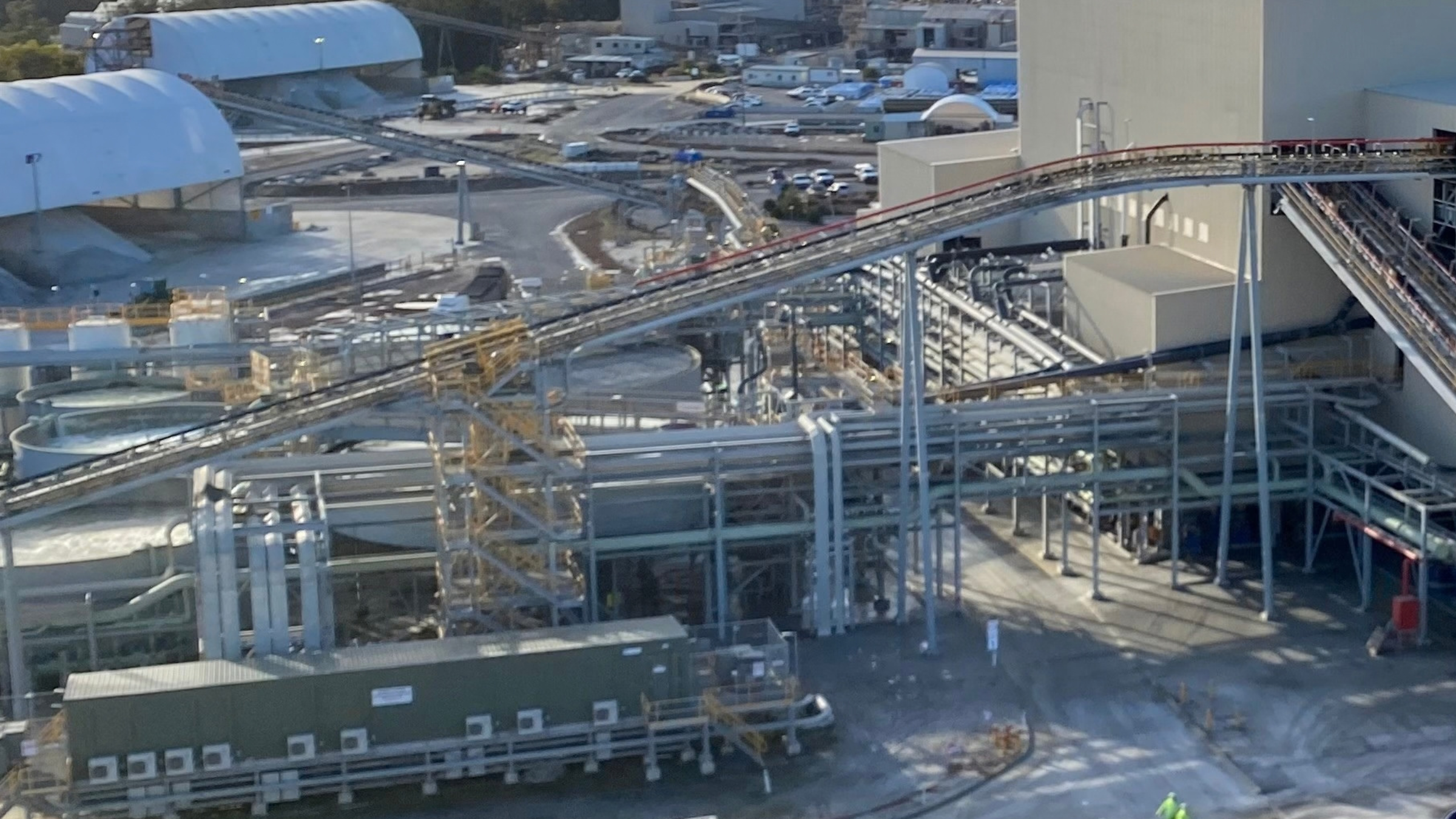
Processing routes that appear attractive on paper can become significantly more expensive once local conditions are considered. Energy prices, fuel availability, reagent supply, logistics distances, water access and waste disposal options all vary widely by region, and each can materially influence operating costs over the life of a project.
For example, processes with high electricity demand may be viable in regions with abundant low‑cost power, but less competitive where electricity is expensive or constrained. Similarly, flowsheets that rely heavily on specialist reagents or high‑purity consumables can expose projects to supply chain risk, transport costs and price volatility, particularly in remote or emerging mining jurisdictions. Fuel, power and reagent supply chains can introduce cost volatility and operational risk that should be considered during processing route selection.
These geographical realities often explain why the same processing technology performs very differently from one project to another.
Reagents and energy dominate operating costs
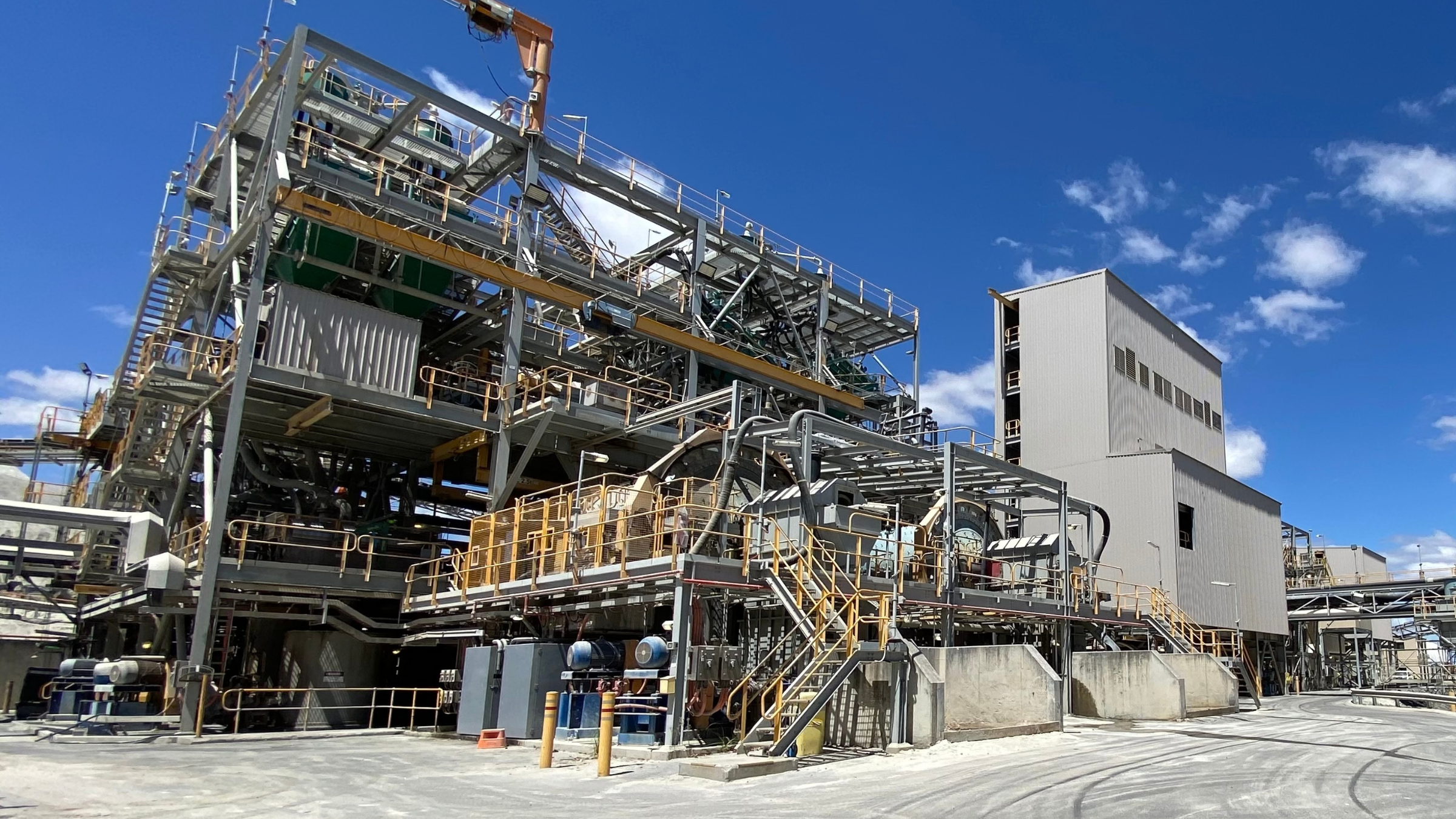
Across hard rock lithium processing routes, operating costs are typically driven by two main factors: energy consumption and reagent intensity. While new technologies often promote lower chemical usage or reduced emissions, they may shift costs rather than eliminate them – for example, by replacing chemical inputs with higher energy demand, or vice versa.
Understanding where costs sit in the flowsheet, and how sensitive they are to price changes, is critical. Reagent prices, energy tariffs and carbon costs are not static. Processing solutions that are economically robust are those that can tolerate change, not just those optimised for a single market scenario.
Laboratory success does not guarantee operational success
Many emerging lithium processing routes demonstrate promising results at laboratory or pilot scale. However, scaling these outcomes into reliable, continuous industrial operations introduces additional challenges that are often underestimated.
Issues such as materials handling, equipment wear, fouling, maintenance access, waste management and operator intervention can have a significant impact on plant availability and long‑term costs. These factors rarely appear in laboratory test work but become decisive once a plant is operating 24 hours a day.
Successful processing solutions therefore require practical engineering judgement, informed by real operating experience, not just chemical performance.
Integration is key to long‑term value
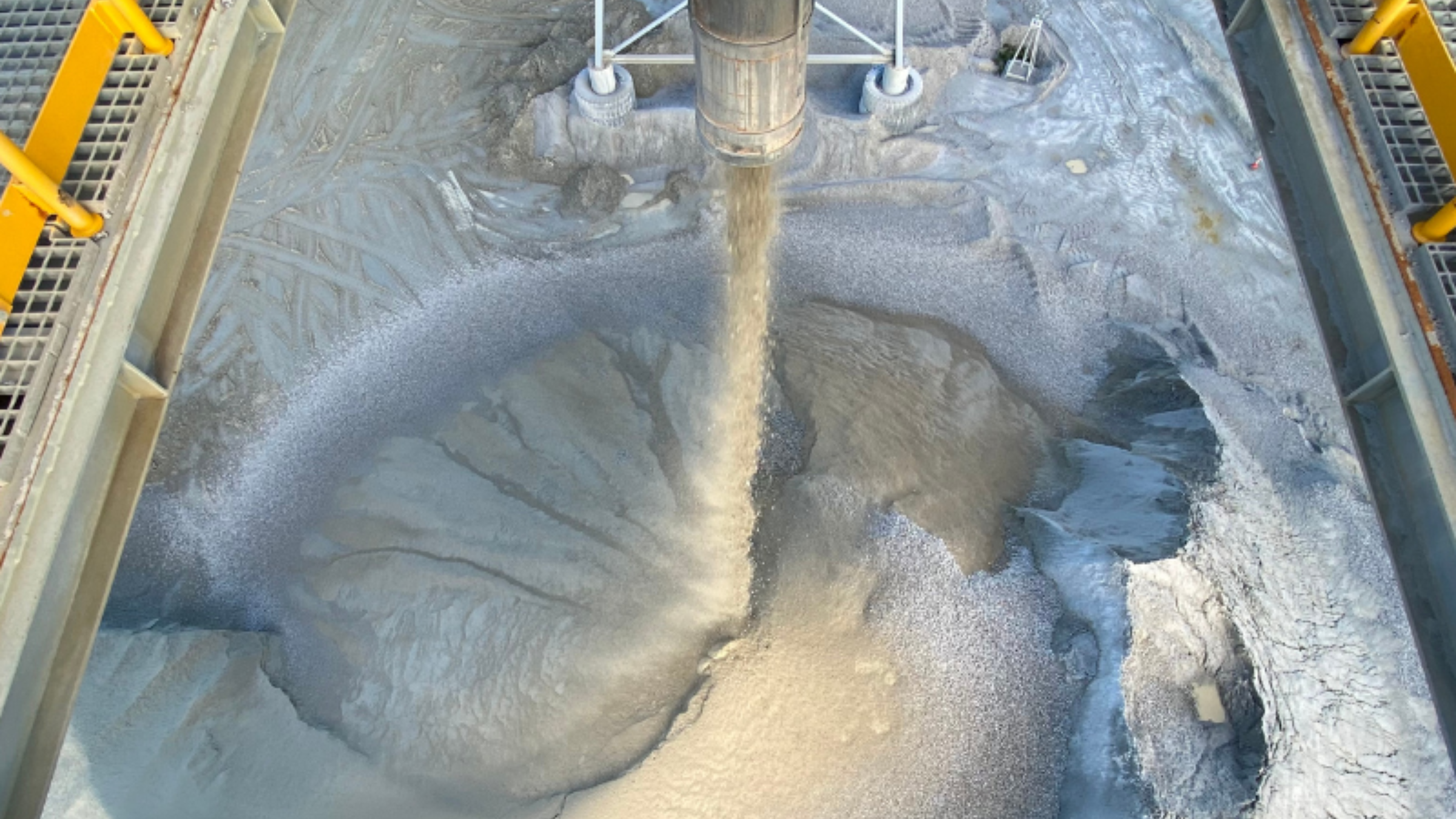
Lithium projects do not exist in isolation. Decisions made upstream – such as concentrate grade, impurity levels or moisture content – directly affect downstream processing complexity and cost. Similarly, downstream product specifications can influence upstream recovery strategies.
Optimising individual process steps in isolation does not necessarily optimise project value; the best outcomes are often achieved when mining, concentration, refining and infrastructure decisions are evaluated as an integrated system.
A pragmatic approach to processing selection
As the lithium sector matures, the focus is shifting from technology novelty towards deliverability, reliability and whole‑of‑life economics. The most successful projects are those that balance innovation with practicality, selecting processing routes that align with local conditions, available infrastructure and realistic operating assumptions.
This is where experienced process integrators add value, not by promoting a single solution, but by helping project teams understand the economic consequences of their choices and navigate the trade‑offs inherent in every processing route. Sedgman supports clients across the lithium value chain, integrating mining, concentration and refining considerations from process development and studies through to project delivery and optimisation.