
Copper production growth will come from what we already have
Copper remains a critical enabler of the global energy transition, underpinning electrification, renewable energy infrastructure and digital growth. Meeting this demand will depend not only on what is developed, but on how efficiently and effectively projects are delivered.
The next phase of copper production will not be defined solely by new discoveries. Increasingly, value will be realised by extracting more from existing assets – extending mine lives, processing more complex ore bodies, and accelerating the delivery of projects already in development.
Across the industry, operations are being pushed into lower-grade, more mineralogically complex zones. At the same time, capital discipline and market timing pressures are forcing operators to extract greater performance from existing infrastructure.
Success will require the integration of metallurgical expertise with engineering execution, rapid assessment of technical pathways, and disciplined optimisation of existing assets. Most importantly, it will depend on the ability to transition seamlessly from design to construction and into stable operations.
This shift carries a clear technical implication: design excellence alone is no longer sufficient. For project developers and asset owners, the implication is clear: the fastest pathway to value lies in integrated delivery.
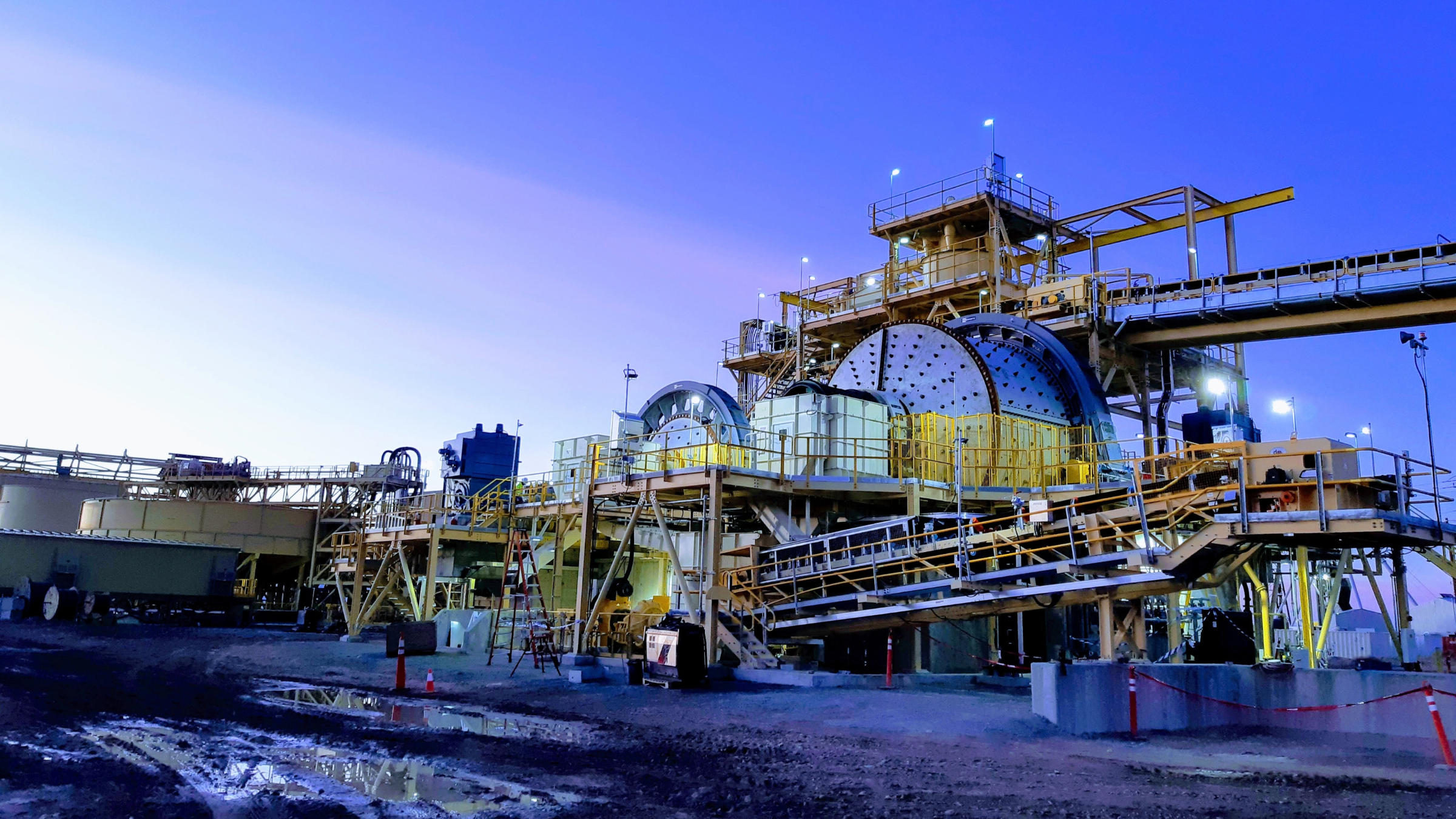
Brownfield expansion: the fastest path to production
For many copper producers, brownfield expansion represents the most capital-efficient and lowest-risk pathway to increased output. Existing sites benefit from established infrastructure, known ore characteristics and embedded operational knowledge. However, realising this potential requires more than incremental change.
The key lies in disciplined debottlenecking – systematically identifying and removing the true constraints within a processing plant. In practice, these constraints are rarely isolated to a single unit operation. Instead, they emerge from the interaction between grinding, classification, flotation and control systems. Integrating new technologies can also enhance output.
Experience across large-scale concentrators demonstrates that meaningful throughput gains can be achieved without major capital investment. Adjustments to classification efficiency, optimisation of grinding strategies and refinement of process control can unlock latent capacity already present within the plant.
Critically, these improvements must be delivered without compromising reliability. Sustainable gains depend on a deep understanding of how the plant operates as an integrated system, not just a series of individual circuits.
In capital-constrained environments, or where time-to-market is paramount, this approach provides a practical and immediate pathway to value.
Integration: the critical differentiator
While debottlenecking enhances operational performance, it is integration that increasingly determines how quickly projects are delivered.
Traditionally, engineering, procurement and construction have been executed as discrete phases, often by separate teams. This fragmentation introduces inefficiencies – rework between study and execution phases, misalignment between design intent and construction reality, and increased cost and schedule risk.
An integrated delivery model addresses these challenges directly. By aligning engineering and construction capability from the outset, projects benefit from a more seamless transition from concept to execution. Design decisions are informed by constructability, procurement strategies are aligned with engineering requirements, and delivery risks are identified earlier and managed more effectively.
The outcome is tangible: improved schedule certainty, reduced rework, and a faster path to project realisation. In a market where project timing is closely tied to commodity price cycles, these advantages are not marginal – they are decisive.
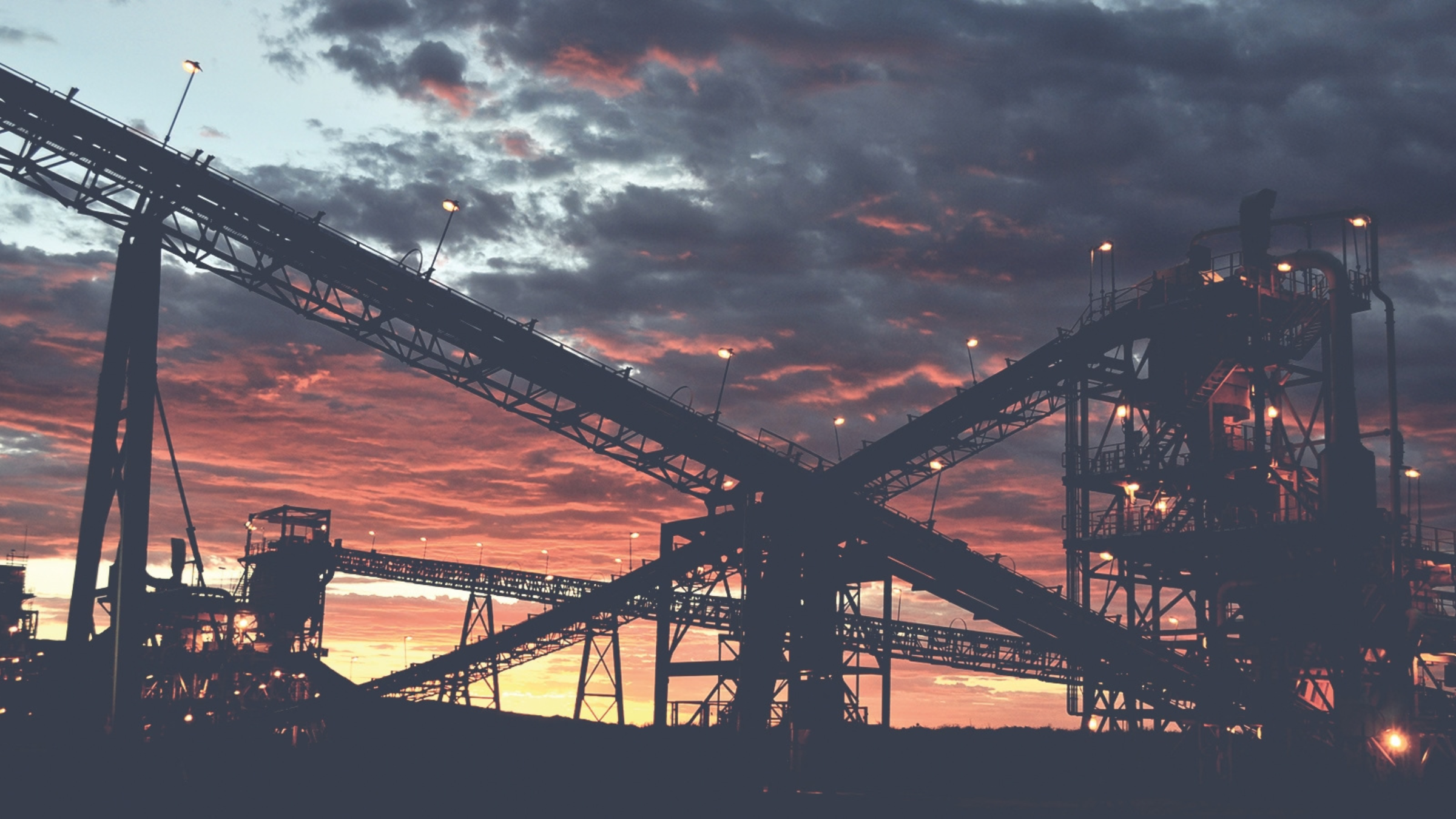
Accelerating greenfield projects
Greenfield copper developments face a different, yet equally demanding, set of pressures. Investors and developers expect rapid progression from concept to investment decision, coupled with a high degree of confidence in cost and schedule.
An integrated engineering and execution approach enables this acceleration. Early alignment between design and construction requirements ensures that engineering solutions are practical, buildable and optimised for delivery from the outset.
In parallel, global procurement strategies can be embedded within the design phase, reducing lead times and improving cost outcomes. Engineering-led construction planning further reinforces the connection between design intent and site execution.
Together, these capabilities allow proponents to move more efficiently from study phases to execution-ready projects, shortening development timelines without sacrificing technical rigour.
An execution mindset: from concept to operation
A defining feature of successful copper projects is the adoption of an execution mindset, where design decisions are made with full consideration of how assets will be constructed, commissioned and operated.
This perspective requires continuity across the project lifecycle. Engineering is not treated as an isolated phase, but as part of an end-to-end process that extends through procurement, construction and into operations.
Within this model, accountability for design decisions is maintained, and operational insight is embedded into engineering from the earliest stages. The result is a closer alignment between feasibility studies and real-world performance, reducing the risk of costly redesign or operational underperformance.
Case in point: Jervois Copper Project
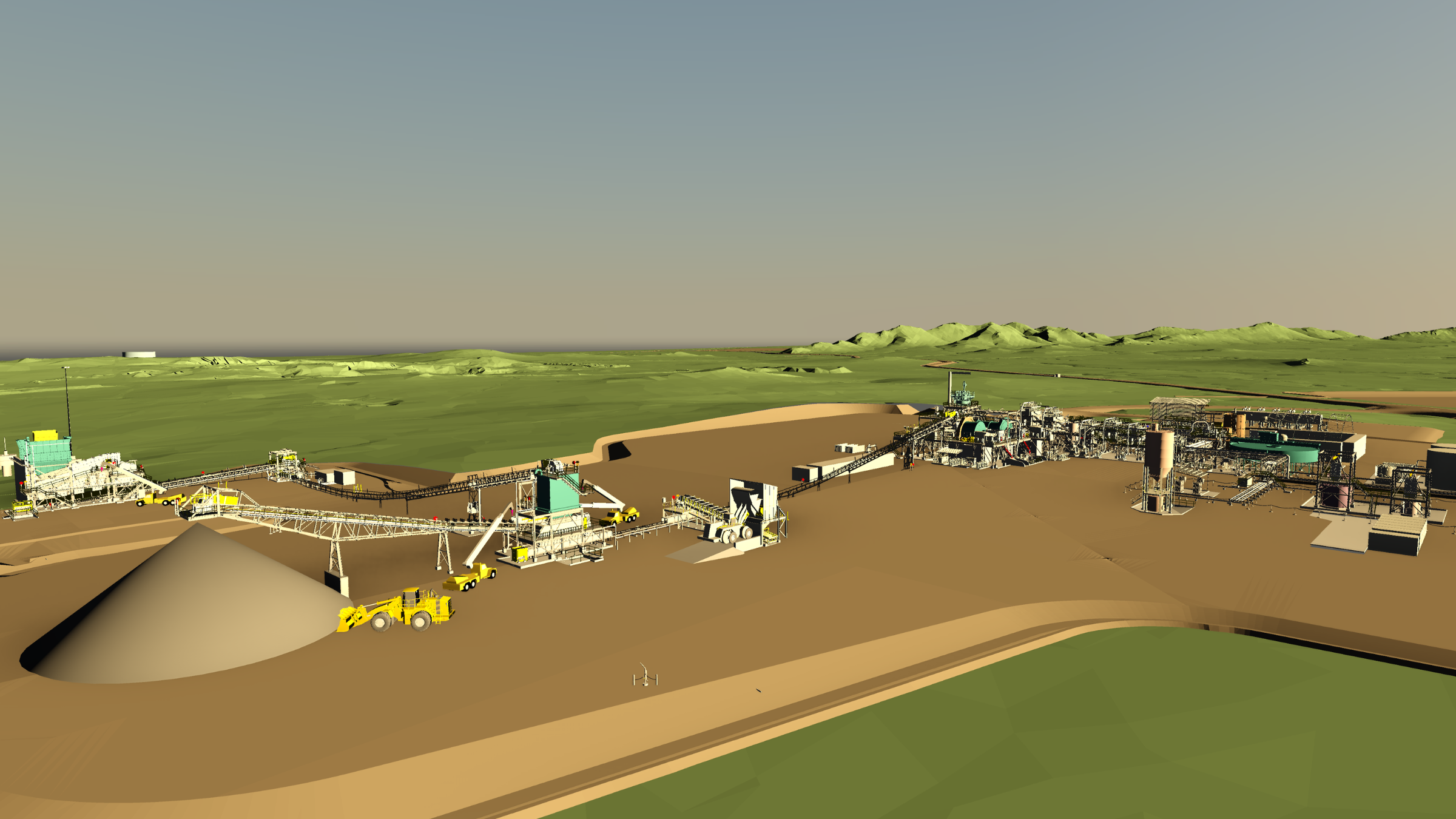
Sedgman’s work on the KGL Resources’ Jervois Copper Project in Australia illustrates how integrated engineering and execution translate into practical outcomes.
The project involved detailed evaluation of orebody characteristics, linking these to comminution circuit configurations to balance throughput, energy efficiency and downstream recovery performance. Flotation design was iterated to accommodate ore variability, supported by the application of differentiated flowsheet solutions, including advanced flotation technologies.
Importantly, these technical decisions were not made in isolation. Each design element was assessed against deliverability, constructability and long-term operability. This ensured that the selected flowsheet was not only technically robust, but also aligned with project execution requirements and life-of-mine objectives.
This integration of innovation with execution-ready design is increasingly critical in complex copper projects.
A 40+ year foundation in integrated copper delivery
Sedgman’s integrated approach is underpinned by decades of experience across the copper value chain.
Sedgman has delivered hundreds of studies, engineering programs and operational engagements, supporting clients across multiple jurisdictions. This experience spans early-stage concept evaluation, brownfield optimisation and full design, procurement and construction delivery, as well as long-term operational support at major sites.
The ability to move seamlessly between these phases is a core differentiator. It enables rapid evaluation of technical options, informed decision-making and efficient progression from concept to execution.
By integrating engineering, procurement, construction and operational insight into a single delivery model, Sedgman enables clients to accelerate schedules, improve capital efficiency, reduce risk and capture market opportunities sooner.
In a competitive and capital-intensive sector, this approach is no longer optional. It is essential to delivering the next generation of copper projects.