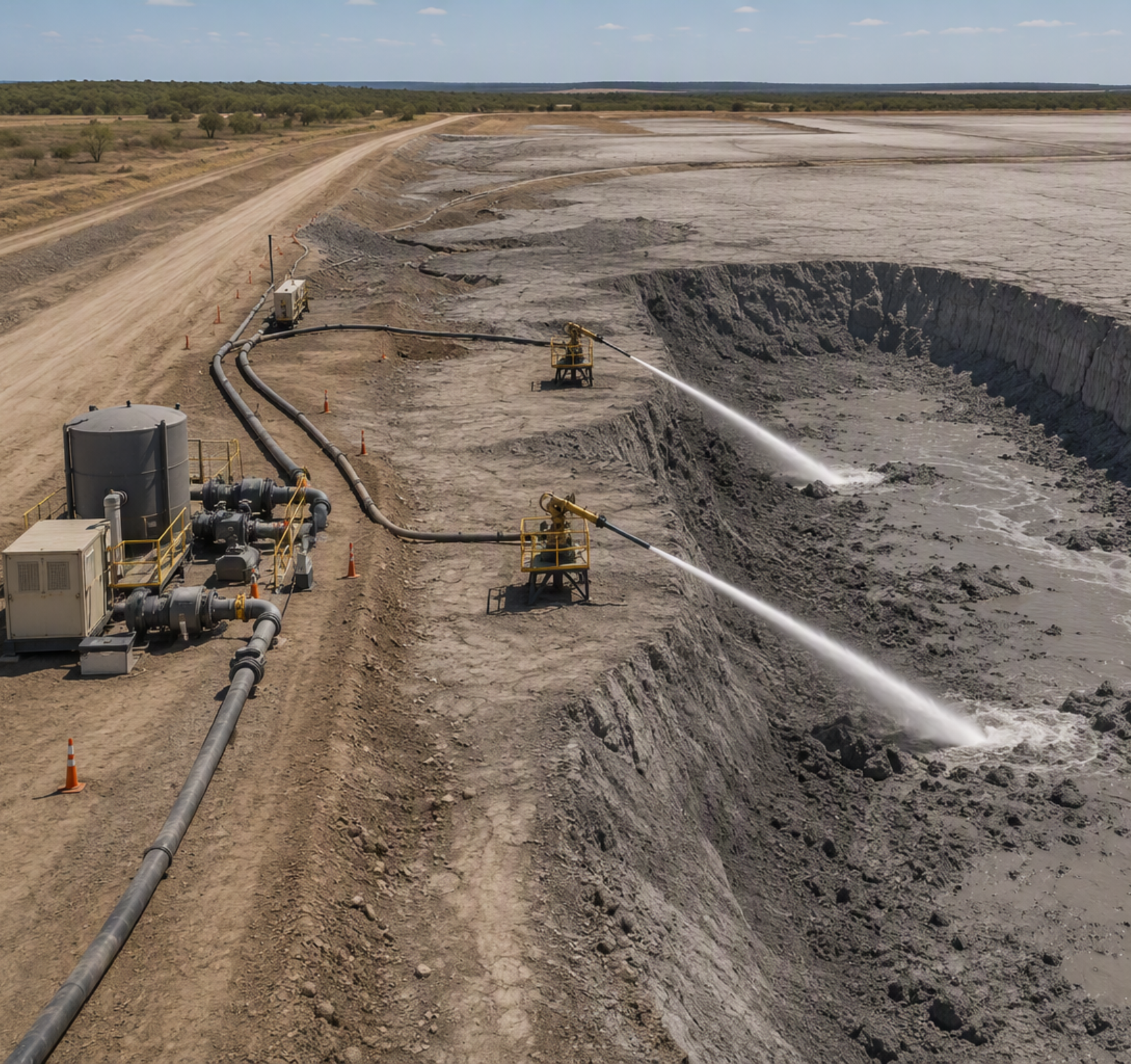
The energy transition is reshaping the global minerals landscape. As demand for critical minerals accelerates, tailings are emerging as a strategic, lower‑risk source of supply. Once viewed primarily as a legacy liability, tailings reprocessing is now a proven pathway to unlock value, strengthen environmental, social and governance (ESG) performance and optimise mine lifecycles.
For mining companies, developers and investors, the conversation has shifted. The question is no longer whether tailings reprocessing is viable – it is how to execute it efficiently, economically and at scale.
Why Tailings Reprocessing Makes Sense Now
Tailings often reflect the processing limitations of their time. Historical operations were typically optimised for throughput rather than recovery, particularly when commodity prices were lower or when certain elements were not considered economically significant. As a result, tailings may contain appreciable concentrations of now-strategic elements such as cobalt, rare earths or lithium. Additionally, shifts in processing technology – including advances in flotation chemistry, fine particle recovery and hydrometallurgy – have materially changed the economics of reprocessing. For developers, this opens the door to re-evaluating legacy assets not just as environmental liabilities, but as potential contributors to critical mineral supply chains.
Tailings reprocessing is gaining momentum because it can:
- Deliver improved energy and capital efficiency compared to greenfield development, particularly where infrastructure already exists
- Support progressive rehabilitation and closure strategies by reducing long‑term environmental liabilities while generating revenue
- Provide a lower‑risk route to market, with reduced permitting timelines and a smaller environmental and community footprint.
However, not all tailings are created equal. Viability is highly site-specific, influenced by mineralogy, logistics, water balance, market conditions and environmental liability conditions. Early, rigorous technical assessment is essential to ensure capital is deployed with confidence.
Case Study: Century Zinc Mine
The Century Mine in Queensland, Australia provides a clear example of how tailings reprocessing can deliver both commercial and environmental outcomes.
Following the cessation of conventional mining, the site was repurposed to reprocess its extensive tailings resource. Sedgman was engaged early to deliver the restart feasibility study, followed by engineering, procurement and construction services to reconfigure the facility for tailings reprocessing. The plant was successfully restarted in 2018, with Sedgman operating the facility for two years.
The project unlocked zinc from legacy material while significantly reducing the site’s long‑term closure burden – demonstrating how early technical insight and integrated delivery can transform tailings into a strategic asset. What made the Century Zinc tailings reprocessing operation unique was a combination of a large, high-grade zinc tailings dam (as a result of previous operations high grading the asset and focusing on concentrate tonnes, as opposed to recovery) and the existence of a historical open cut void that facilitated the redeposition of the new tailings after they were reprocessed. This allowed the environmental liability of the historic tailings dam to be progressively reduced.
Case Study: Hindustan Zinc Limited – 10 Million Tonne per Annum Zinc Tailings Recycling Plant
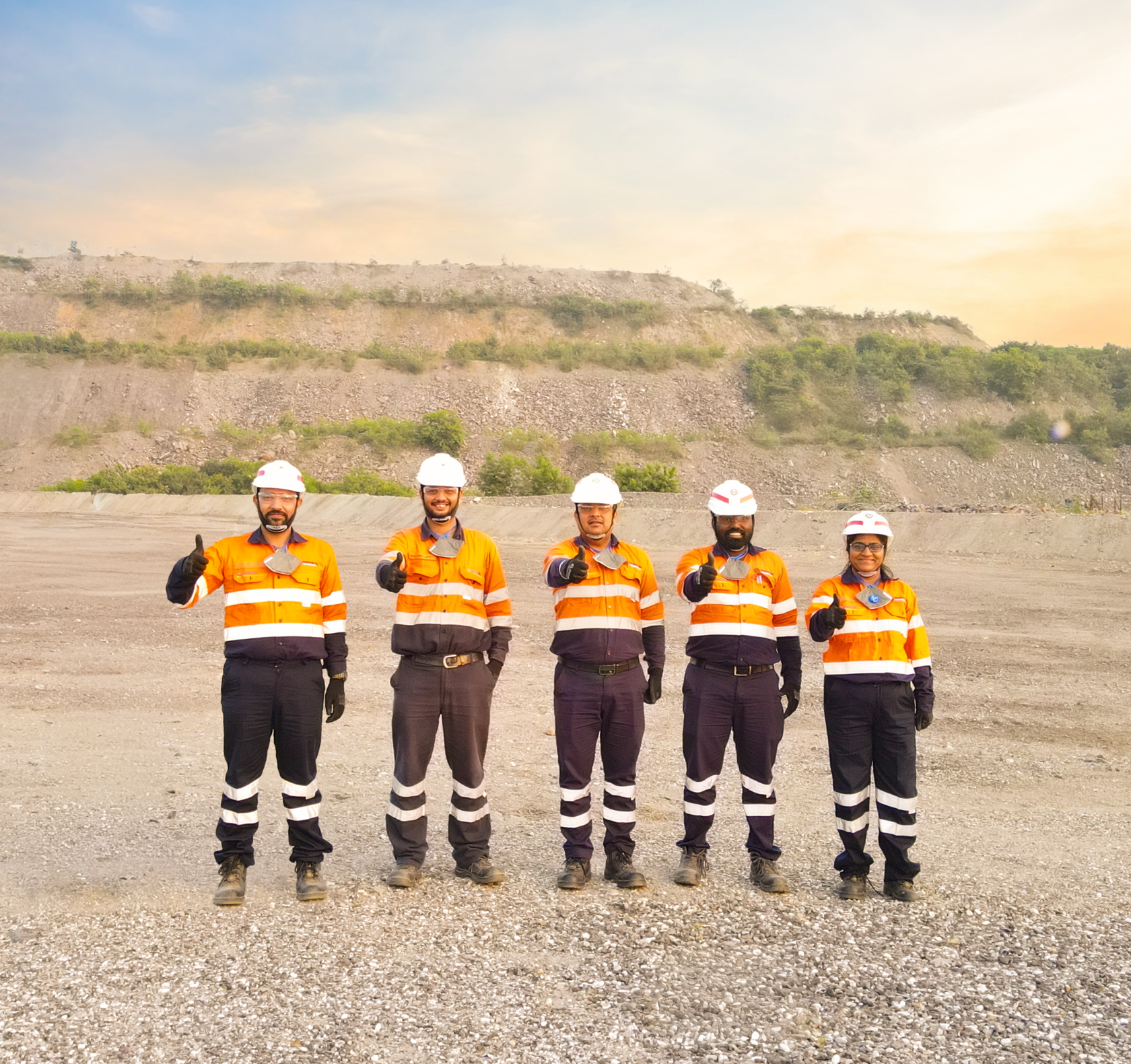
CIMIC Group companies Sedgman and Leighton Asia were awarded separate contracts by Hindustan Zinc Limited, the world’s largest integrated zinc producer and one of the top five silver producers globally, to support the delivery of India’s first zinc tailings recycling facility at Rampura Agucha Mines in Rajasthan, India.
Sedgman worked closely with the Hindustan Zinc team to deliver a rapid assessment and feasibility study, followed by engineering services and offshore equipment procurement under an offshore contract.
Leighton Asia – a long-standing infrastructure delivery partner with an established presence in India – managed the project’s construction and onshore procurement under a separate contract.
Hindustan Zinc Limited said: “India’s next phase of industrial growth will be defined not just by how much we mine, but by how intelligently we use what we already have. This project represents a fundamental shift in mining, from extraction to optimisation, and from linear consumption to circular value creation. By establishing India’s first zinc tailings recycling facility at global scale, Hindustan Zinc is creating a blueprint for how legacy resources can be re-engineered into future supply, strengthening the nation’s critical minerals security.
“Our collaboration with Sedgman’s global minerals processing expertise and Leighton Asia’s on-ground infrastructure execution brings together the best of technology and delivery to set new benchmarks for responsible mining.”
Case Study: Groote Eylandt Manganese Company (GEMCO) PC02 – Fine Manganese Reprocessing Project
The GEMCO (South32, formerly BHP) mining operations began in the early 1960s. Sand-sized tailings (~0.5-0.125 mm) were traditionally not processed because there was no downstream market for their use. The tailings were stored in large above-ground dams.
Improvements in sintering and pelletising technology prompted an investigation into the use of these sand-sized tailings. Following a successful pilot plant trial using reflux classifier technology to upgrade historic tailings, Sedgman was engaged to undertake a definitive feasibility study. This study assessed the reclamation and reprocessing of historic sand-sized tailings, alongside the treatment of on-line tailings from the existing concentrator. After the study confirmed the financial viability, Sedgman was commissioned to design and construct a manganese sand reprocessing and dewatering plant with a product capacity of 0.5 million tonnes per annum. A key project requirement was dewatering and storing the product within critical transportable moisture limit parameters. The plant incorporated mechanical dewatering and a purpose-built covered stockpile area to protect the ore from rainfall and enable ongoing drainage.
The project was very successful, with the March 2022 South32 Quarterly Report highlighting that “the PC02 circuit continued to operate above its design capacity, as we took advantage of favourable market conditions and realised the benefit of establishing market depth for our low-cost PC02 fines product. The product contributed 12% of total production (9M YTD21: 10%), further benefiting margins at the operation.”
This project is a strong example of how advances in technology can make the commercial development of historically uneconomic mine tailings viable.
Sedgman’s Tailings Reprocessing Expertise
Sedgman brings deep technical and delivery expertise across the full tailings value chain. Our offerings include:
- Geometallurgical characterisation and test work design and assessment
- Flowsheet development and process engineering
- Tailings dewatering and water recovery systems
- Modular and brownfield plant design
- Design, procurement and construction, and operational services.
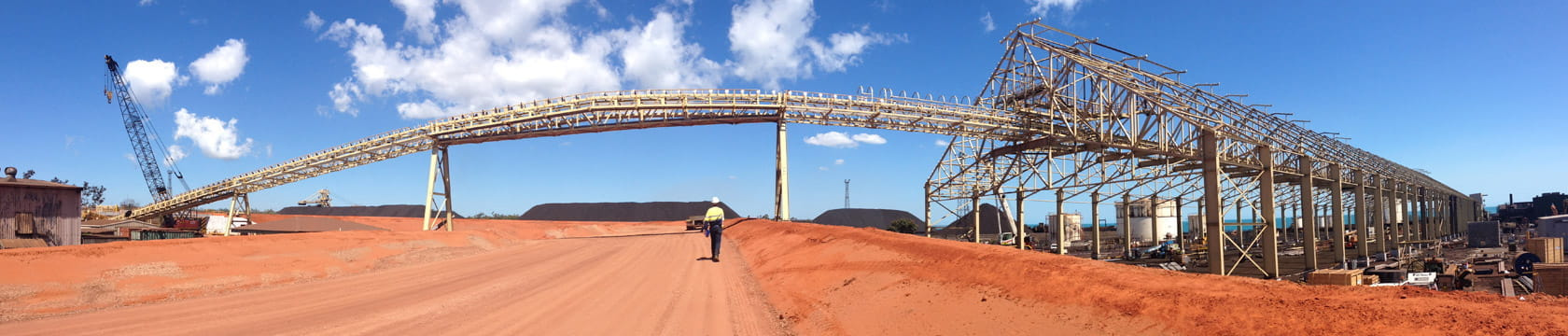
Sedgman has delivered tailings projects across lithium, manganese, zinc, copper and other base metals. At the Greenbushes mine in Western Australia, we supported commissioning of a lithium tailings retreatment plant. At a manganese operation in northern Australia, we engineered and delivered a tailings recovery circuit that increased concentrator capacity and extended asset life.
Our approach is grounded in practical innovation – combining proven technologies with site-specific insight to deliver fit-for-purpose, scalable solutions.
Beyond Metal Recovery
Tailings reprocessing can also play a broader role in supporting wider ESG outcomes and site closure strategies. In the right context, tailings can be repurposed to unlock additional value while reducing environmental risk.
Examples include:
- Engineered soils for rehabilitation, using tailings with nutrient or carbon content
- Sulphide-rich tailings processed for sulphuric acid production, reducing acid mine drainage risk
- Coarse tailings reclassified for use as construction sand or backfill
- Dewatering to reduce storage volumes and enable water reuse.
These applications are highly site-dependent but can unlock additional value streams and reduce closure liabilities.
The Value of Early Engagement
Tailings reprocessing is not a bolt-on. It requires integrated planning, early technical input and a clear understanding of site-specific constraints. Sedgman’s early engagement model helps clients de-risk decisions, optimise flowsheets and align reprocessing with broader site strategy – whether that is extending mine life, accelerating closure or strengthening ESG performance.
Tailings reprocessing represents a strategic opportunity for mining companies seeking to access critical minerals, reduce environmental liabilities and optimise asset value. Increasingly, downstream regulations, such as the EU Battery Passport (effective from early-2027), are placing greater emphasis on traceability, lifecycle transparency and responsible sourcing of critical minerals. Tailings reprocessing can play a role in supporting these requirements by bringing legacy materials into more transparent and sustainable value chains.
Sedgman’s integrated approach, from early geometallurgical characterisation through to operations, allows clients to build robust data sets on material composition, recovery pathways and process performance. This provides a strong foundation for emerging requirements where traceability, verified data and lifecycle transparency will be critical. Sedgman offers the technical depth, delivery capability and commercial acumen to turn tailings into a competitive advantage.
If you are assessing tailings reprocessing potential, talk to us early. We will help you define the opportunity, build the business case and deliver the solution.